

Scottsdale DSCR Loan Lenders for Rental Property Investors
November 24, 2026Hard Money Loans for Mesa Partnership Buyouts and Buy-Ins
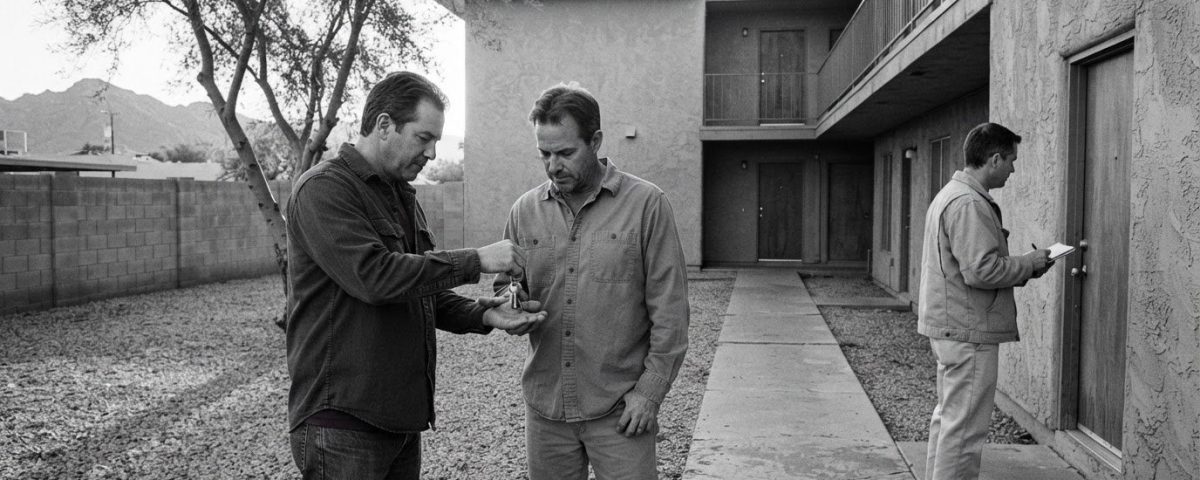
A hard money loan for a partnership buyout in Mesa can use real estate as collateral to help fund a departing partner’s share. That can create another financing path when paying cash isn’t practical. The loan decision centers on the property and the proposed transaction, not just the borrower’s credit profile.
A buyout involves more than transferring ownership. The partnership agreement, the business’s value, and any jointly owned property can all shape the financing. First, determine the agreed buyout amount, identify the property that could secure the loan, and map out a realistic repayment source that fits the business’s plans.
This guide explains how hard money financing may support a partner buyout, buy-in, or succession in Mesa. It covers the property and ownership details lenders review, how collateral can factor into the transaction, and practical considerations when comparing financing options. The goal is to help you identify the documents and repayment questions to resolve before moving forward.
Key Takeaways
- See how property-backed financing may help fund a partner’s exit or a new partner’s buy-in when paying cash isn’t practical.
- Understand how a buyout agreement, business valuation, and jointly owned real estate can shape the financing plan.
- Compare hard money financing with other succession options, including cash, a bank loan, or bringing in another partner.
- Learn what property value, available equity, and repayment strategy contribute to a lender’s review.
- Get a clearer picture of the application and underwriting steps before moving forward with an ownership transition.
Financing a partnership buyout or partner buy-in
A property-secured loan can help fund a Mesa ownership change when cash alone won’t cover the agreed buyout. The lender weighs the collateral, available equity, transaction structure, and repayment plan.
Real Estate-Secured Buyout Financing
A hard money loan for a partnership buyout in Mesa uses real estate as collateral. The property may belong to the business or the remaining partner, depending on the ownership and transaction structure. Its value, existing debt, and ownership records help establish how much equity may be available to support financing.
Start with the buyout amount and identify which property could secure it. If partners jointly own commercial real estate, the departing partner’s business interest and property interest may both factor into the settlement. A 50% loan-to-value example means the loan equals half the collateral’s value, but that example isn’t a proposed loan amount or approval result.
Hard money financing also serves real estate investments. If the property needs work, fix-and-flip financing may connect renovation costs to the project. Renovation draws can release funds in stages as work progresses, so the budget, scope, and timing should align with the property plan.
Customized Loan Terms and Structures
Financing can be structured around the collateral, buyout proceeds, and expected repayment source. Mesa hard money loans typically have repayment terms of 6 to 24 months. Payments may cover interest only or interest and principal, with a balloon payment due at the end of the term. Build the exit plan before accepting a short repayment window.
The partnership agreement and any buy-sell clause may specify who can purchase an exiting partner’s interest and how the departure is handled. These provisions shape the transaction being financed. Arizona business and ownership rules depend on the entity and circumstances, and tax treatment varies with the deal structure. Review those issues with the appropriate legal and tax professionals before setting the financing amount.
Buyout Loan Comparisons and Risks
Compared with a bank loan, a property-backed hard money loan can focus more on collateral than the borrower’s current credit profile. Bank underwriting may be rigid and time-consuming; SBA 7(a) approval for a partnership buyout can take months. Seller financing may leave the departing partner collecting payments, often with interest. A private lender may offer flexible financing arrangements.
The key trade-off is repayment pressure. A short-term loan may leave the remaining owners facing a balloon payment before a planned refinance or property sale. Delays, lower-than-expected sale proceeds, or weak business cash flow can make repayment difficult. Before proceeding, compare the full loan obligation with the buyout agreement, available property equity, and a realistic repayment source.
Business succession and ownership transitions
A succession plan can shift decision-making power, property interests, existing debt, and the capital available for daily operations. Before arranging financing, identify who is leaving, who will own the business afterward, and which assets and obligations will change hands. This outline helps connect the ownership transition to the collateral and repayment plan.
Start with the entity and ownership structure. A partnership, limited liability company, or corporation may hold assets differently, so identify the borrower, current owners, proposed owners, and property involved. Include the partnership agreement and proposed ownership changes where they establish who can authorize borrowing. The lender can then assess whether the requested financing fits the entity’s role and planned transition.
A business valuation can help establish a defensible purchase price and identify liabilities that could affect the deal. It may show that the exiting owner’s interest is worth more than expected, or that outstanding obligations reduce the business’s net value. Compare the valuation with the buyout terms, and separate the amount paid for ownership from any capital reserved for operations. This helps avoid using funds needed to keep the business running.
Succession can also create a need for improvements or debt refinancing. A continuing owner might need to upgrade a commercial property, replace equipment, or consolidate obligations while taking control. These uses should be separated in the financing plan: the buyout pays for ownership, while improvement funding supports a defined project and refinancing addresses existing debt. The lender evaluates the property, the planned use of funds, and how repayment will work after the ownership change.
There are several ways to handle a buyout. Paying cash avoids taking on new debt. Remaining partners may use jointly owned property as collateral, bring in a new partner, or consider private financing. In some cases, revising the partnership agreement may change control without a cash purchase. The best route depends on available capital, the business’s obligations, and the terms and timing of the ownership transition.
Business ownership and buyout laws vary by state, so Arizona’s rules and the entity’s tax treatment belong in the transition plan. Coordinate the valuation, ownership documents, financing request, and repayment strategy before closing. If property and business obligations are intertwined, discuss the financing scenario as part of that planning process.
How can a lender arrange a succession or partner buy-in loan?
A lender organizes the transaction around the property, ownership change, and closing documents. In Mesa, the valuation and transaction details help establish the financing structure and sequence.
Property Valuation and Closing Timelines
Property valuation gives the lender a basis for assessing collateral and available equity. The review considers condition, use, existing debt, ownership, and how the asset relates to the buyout or succession. A property needing repairs may be assessed differently from a stabilized rental building. The valuation helps show whether the real estate supports the requested financing.
Timing depends on how quickly the valuation, ownership records, and transaction documents come together. Traditional mortgage financing in Mesa takes about 45 days, while hard money financing is described as faster. That comparison isn’t a closing date. Missing property records or unclear ownership can add work before approval and closing.
Loan Funding Speed and Closing Process
A practical closing process begins by defining the buyout amount, borrower, collateral, and intended use of funds. The lender reviews the property and transaction and identifies conditions to resolve before closing. If a business entity owns the building, its ownership records and authority to borrow matter alongside the proposed change in partners.
Credit can inform the review, but property-backed hard money loans focus on collateral rather than relying primarily on the borrower’s current credit profile. Prepare for questions about existing liens, ownership interests, and the plan for repayment. Each unresolved item can slow the path from initial review to approval, signing, and funding.
Term-Sheet and Funding Milestones
A term sheet outlines proposed financing terms before final closing documents are prepared. Review the loan amount in relation to the property, the repayment structure, and any outstanding conditions. Compare the proposed terms with the buyout agreement before committing to a closing schedule.
Once the terms are accepted, the lender completes the remaining review and prepares for closing and funding. Keep the purchase agreement, entity records, property information, and ownership approvals consistent. A change to the buyout amount or collateral may require an updated review. Set a closing date after the key conditions and signing responsibilities are clear.
Mesa and Phoenix-Area Lender Options
For a Mesa business buyout, Applewood Funding is a private hard money lender that evaluates real estate as collateral and offers owner-occupied and investment property financing. Prepare the property details, ownership records, buyout terms, and repayment plan for review. The financing should match the actual collateral and transaction, not rely on speed alone.
Local lenders may structure financing differently, so compare the proposed repayment plan, collateral requirements, and funding conditions rather than relying on speed alone. A partner buy-in involving commercial property differs from a purchase secured by a rental asset. Match the lender’s collateral approach to the specific property and ownership change before setting the closing timeline.
Hard money loan programs for real estate investors
Real estate investors use hard money loans for property purchases and projects that call for asset-based financing. In Mesa, the property serves as collateral, so its value, condition, ownership, and available equity are central to the review. During a partnership transition, business or partner-owned property may support the request if its ownership and use as collateral are clear.
Hard money loans can finance investment property purchases when the borrower will not live in the property. Applewood Funding Inc also offers Rental Property Loans, Construction and Land Loans, and Fix & Flip Loans. The intended use matters: a property purchase, construction project, and partnership buyout are different transactions and should be described separately.
Property value is central, but it is not the only consideration. The lender reviews the asset’s condition, existing debt, ownership, and connection to the proposed financing. A commercial building with existing liens, for example, may have less available equity than its estimated value suggests. The repayment plan must also fit the loan structure.
Mesa hard money borrowers can usually borrow up to 90% of a property’s purchase price. That figure concerns a purchase, not an automatic amount for a partner buyout. The lender also considers the specific collateral and transaction. For a buyout, distinguish the amount needed to transfer ownership from any funds tied to purchasing or improving real estate.
Investors should also understand how the loan’s repayment period affects the project. Mesa hard money loans typically have terms of 6 to 24 months. Monthly payments may cover interest only or interest and principal, with a balloon payment due at the end. A sale, refinance, or other repayment source should be considered against that schedule before the borrower commits.
When real estate secures a business buyout, align the financing with the ownership documents. Confirm who owns the property, who has authority to pledge it, and whether the purchase agreement describes the same transaction. If the exiting partner owns part of the property, address that interest alongside the business interest. Clear records help explain how the collateral relates to the loan.
Hard money lending may suit investors who need property-backed financing for a defined purchase or project. It may not fit a borrower without real estate to pledge or a workable repayment plan. Compare the requested amount with the property’s value, existing debt, and intended use to understand whether the proposed collateral and structure make sense.
Loan application and underwriting process
A partnership buyout application connects three elements: the ownership transition, the real estate securing the loan, and the repayment plan. The lender reviews the amount paid to the departing partner, who will borrow, and what property supports the request. Keep the buyout terms consistent with the requested loan amount and closing documents.
Underwriting starts with the property and its ownership. The lender reviews the property’s value, condition, existing debt, and available equity. It also examines how the borrower will repay the loan, such as through business cash flow, a property sale, or a refinance. Credit can inform the review, but hard money underwriting places substantial weight on the collateral and transaction.
For a business entity, the application should identify the borrower and who can authorize the financing. The lender may review entity records, current ownership, the buyout agreement, and the intended use of funds. If a limited liability company owns the property, connect its ownership to the proposed collateral and explain how the partner transition affects control.
- Define the transaction. Set out the buyout amount, buyer, departing owner, borrower, and property securing the loan.
- Submit the property details. Provide the address, ownership information, existing debt, condition, and valuation materials.
- Explain repayment. Identify the planned payment source and how the borrower will handle the loan’s final balance.
- Resolve underwriting conditions. Address questions about title, entity authority, collateral, or the purchase terms before closing.
Cash-out proceeds from real estate may fund a partner buyout when available property equity supports the request. The lender evaluates the property’s value and existing debt before considering the financing. The borrower can then use the proceeds toward the agreed purchase of the departing partner’s interest. Keep the ownership documents and stated loan purpose consistent.
Before closing, compare the loan amount, payment structure, maturity, and any balloon balance with the repayment plan. A hard money loan may provide bridge financing, but the plan must account for the full obligation. If repayment depends on a refinance, consider whether the property and borrower’s circumstances support that next step. A gap can disrupt the transition and leave the borrower managing debt beyond the buyout.
Bring the transaction terms and property details together early. Discuss your buyout financing scenario and the collateral supporting it.
Applewood Funding
Applewood Funding offers property-backed financing that may fit an ownership transition when real estate is part of the plan. If the buyout involves a property the continuing owner occupies, Owner Occupied Hard Money Loans may be relevant. If eligible property equity is central to funding the transaction, Cash Out Hard Money Loans may also fit. The right direction depends on the property, ownership structure, and intended repayment source.
Bring the proposed buyout, property details, and repayment plan together to discuss how they connect. This helps frame the financing request around the actual transition, rather than treating the business purchase and collateral as separate questions. Contact Applewood Funding to discuss your financing scenario.
Set Up the Next Ownership Chapter
A partnership transition needs a financing plan that supports the business after the agreement is signed. Align the buyout terms with the property securing the loan and the business’s priorities for its next stage. That keeps the financing focused on the transaction’s purpose and the repayment plan, not just the immediate transfer of ownership.
A hard money loan for a partnership buyout in Mesa may be worth discussing when real estate plays a central role in the plan. Bring the proposed ownership change and property details into the same conversation, then consider how the financing fits the business’s longer-term direction. A clear starting point can make the next decision easier.
Talk through your partnership financing plans with Applewood Funding. Take the next step with a stronger view of the transition ahead.
Frequently Asked Questions
How Do Hard Money Loans Work?
A hard money loan uses real estate as collateral, making the property central to the lender’s review. For an ownership transition, identify the buyout or buy-in, the property, and the repayment plan. The lender evaluates the asset and proposed structure before issuing terms. For example, commercial property owned by a business presents a different request from a rental home owned by one partner.
How long will it take to put my financing in place?
The timeline depends on how quickly the property valuation, ownership records, and transaction documents are ready. Traditional mortgage financing in Mesa takes about 45 days, while hard money financing is described as faster. That comparison isn’t a promised closing date. A file involving multiple owners, existing liens, or an entity-owned property may need additional review before approval and funding can proceed.
What are the maximum loan amounts and leverage ratios available?
There isn’t one maximum amount or leverage ratio for every partnership transaction. Mesa hard money borrowers can usually borrow up to 90% of a property’s purchase price, but that purchase figure doesn’t establish the leverage for a buyout. The lender evaluates the property, existing debt, requested amount, and transaction purpose. A business buyout secured by existing real estate needs its own collateral assessment.
What are the rates, fees and terms on my succession or buy-in loan?
Rates and repayment terms depend on the property and proposed financing structure. Mesa hard money loans typically have terms of 6 to 24 months, and payments may cover interest only or interest and principal, with a balloon payment due at term end. Applewood Funding states “No Up-Front Fees” and “No Cost to Apply.” Review the written terms for payment details and loan conditions before proceeding.
What is a hard money loan for a business partnership buyout?
A hard money loan for a partnership buyout in Mesa is property-backed financing that can provide capital for an ownership transfer. The borrower may use real estate equity to fund the payment to an exiting partner, rather than relying only on cash reserves. The lender reviews the collateral and transaction structure. The buyout agreement should clearly identify the interest being transferred and the funds needed to complete it.
Do Mesa, Arizona hard money lenders finance partnership buyouts?
A private hard money lender may consider a business buyout when real estate can secure the financing and the ownership transfer is documented. The request should connect the borrower, property, buyout amount, and repayment plan. A remaining partner buying an interest in a business that owns property presents a different structure from a buyout without real estate collateral.
What loan-to-value ratios do Mesa hard money lenders offer for partnership buyouts?
Buyout loan-to-value depends on the property’s assessed value, existing liens, and the lender’s review of the transaction. The 90% figure generally relates to a property’s purchase price, not an automatic buyout LTV. A 50% LTV example means the loan equals half the collateral’s value. For a buyout, the amount supported depends on the specific property and available equity.
What are typical hard money loan rates, points, fees, and terms in Mesa, AZ?
Rates, points, and other charges vary with the property, loan structure, and repayment plan; there’s no single figure that applies to every Mesa buyout. Terms typically run 6 to 24 months, with interest-only or principal-and-interest payments and a balloon payment due at the end. Applewood Funding states “No Up-Front Fees” and “No Cost to Apply.” Review the proposed terms together, including the full payment schedule and payoff plan.