
Local hard money lenders in Scottsdale: compare rates and loan options
November 3, 2026Flagstaff Construction Lenders for Home Builds
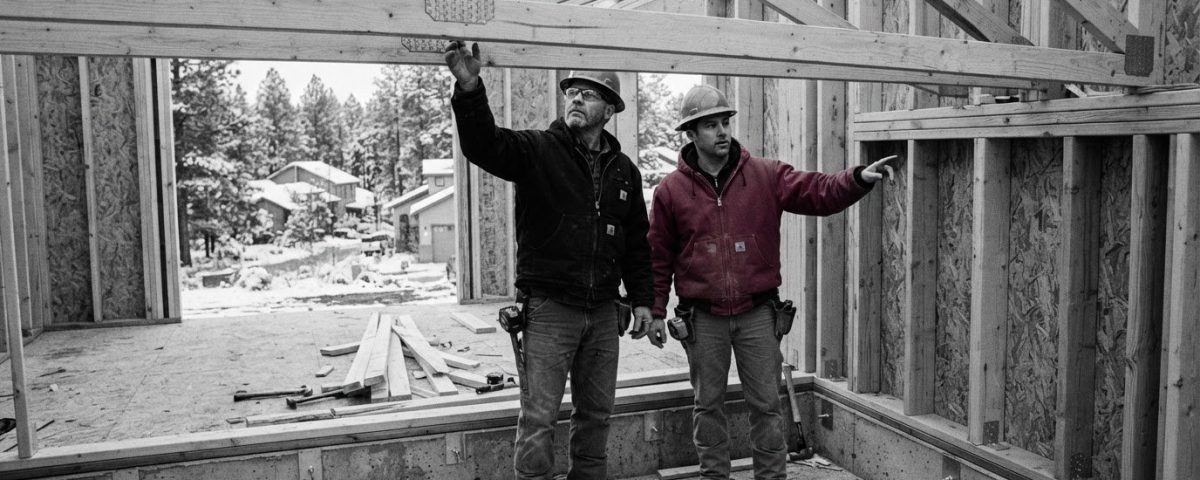
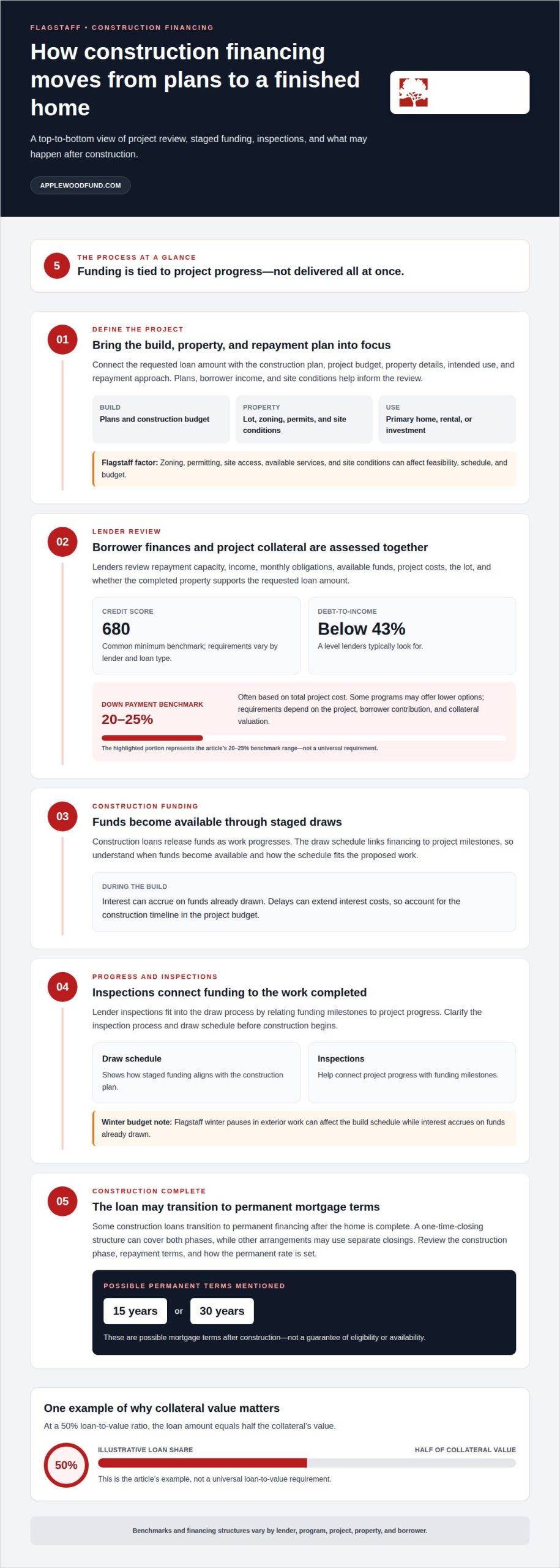
In Flagstaff, construction loans fund a home build through staged draws as work progresses. Some loans may transition to permanent mortgage terms of 15 or 30 years after construction is complete. Flagstaff construction lenders assess the project, the lot, and the borrower’s finances to shape the financing.
Building a home brings plenty of moving parts. Financing shouldn’t add confusion. Understand when funds become available, what the lender reviews, and how inspections fit into the process.
This guide explains how construction loans work, what to consider about the residence and lot, and how draw schedules and inspections connect funding to project progress. It also covers private hard money financing and how Flagstaff’s winter weather can affect a build budget. With the process in view, you can make a more informed decision about financing your home build.
Key Takeaways
- Understand how construction financing releases funds as a home build advances and what happens when construction is complete.
- See how credit, project costs, intended use, and collateral can shape eligibility and loan terms.
- Learn why improved and unimproved lots can present different financing considerations.
- Follow the draw and inspection process so you can plan for funding milestones throughout construction.
- Explore when private hard money financing, including construction and land loans, may fit a Flagstaff project.
What Are Construction Loans?
A construction loan finances building work through funds released as a project progresses. For a Flagstaff build, connect the requested loan amount, intended property use, construction plan, and repayment approach before work begins.
Construction-to-Permanent Financing
A one-time closing can cover both construction financing and the permanent mortgage that follows. The borrower closes once, then the loan transitions after the home is complete. Review the construction phase, repayment terms, and how the permanent rate is set. A single-closing loan may include adjustable-rate mortgage features, according to the U.S. Government Publishing Office.
Some construction loans may transition to permanent mortgage terms of 15 or 30 years after construction. During the build, interest can accrue on funds already drawn. Flagstaff budgets should also account for interest accruing during winter pauses in exterior work.
Financing for Builders
Custom-home financing is based on a specific property, design, construction budget, and borrower plan. Production-builder projects follow a repeatable plan, with homes potentially developed or sold in stages. In either case, the lender reviews the proposed work and how funds support each phase. Financing for commercial and investor projects also depends on the property’s intended use and collateral.
Self-employed borrowers may have income that is less visible on conventional pay documents. Bank statement financing can provide another way to assess income through account activity. For investors, the project’s intended use and repayment plan matter alongside the borrower’s finances. Before settling on a loan amount, clarify whether financing covers one home, multiple units, or a broader development.
Lender Types and Loan Considerations
Banks and credit unions make construction loans through their lending operations, while mortgage brokers such as VIR Advisory connect borrowers with tailored residential and commercial financing options from lenders. Compare the proposed structure, draw process, and permanent financing. For a qualifying multifamily project, HUD financing may also be relevant. Commercial and investor projects require attention to property use and collateral.
Do Flagstaff construction lenders require licensed contractors or approved builders? Requirements depend on the loan program. A lender may review a contractor’s experience, credentials, budget, and construction plan. Clarify the builder’s role and your responsibilities before work begins.
Which lenders finance custom homes, owner-builders, and manufactured homes? Construction programs may cover custom homes, while owner-builder and manufactured-home eligibility depends on the program and how it treats the project and property. Identify the home type and builder arrangement in your financing request.
What risks and common fees should borrowers consider with a Flagstaff construction loan? Delays can extend interest costs, especially if winter pauses exterior work. Common charges may include appraisal, inspection, title, and loan-origination fees. Include applicable costs in the project budget and understand how they fit the draw schedule.
Five-or-more-unit apartments are a different collateral category from a house. This can affect how a lender evaluates a project, so identify the unit count and intended use at the start of financing discussions.
Construction loan eligibility and intended residences
Eligibility depends on the borrower, intended residence, land, and proposed construction. Lenders assess repayment capacity and whether the completed property supports the requested loan amount.
Common benchmarks provide a starting point, not a complete decision. Construction loans commonly require a minimum credit score of 680, though requirements vary by lender and loan type. Lenders typically look for a debt-to-income ratio below 43%. They also review income, existing monthly obligations, available funds, and the project budget. A borrower with self-employed income may need a financing approach that evaluates income documents suited to their work.
Intended use matters. A home planned as the borrower’s primary residence differs from a rental or investment property. Identify who will occupy the finished home and how the property will be used in the loan application. This distinction helps frame the underwriting review, including the property type, projected costs, and repayment plan.
Conventional, FHA, VA, and USDA financing are distinct program categories, not interchangeable construction-loan terms. Availability and eligibility depend on the specific program and project. Compare whether a program covers construction, how permanent mortgage financing works, and whether the intended residence fits its criteria. Also consider the closing structure: construction and permanent financing may use one closing or separate closings, affecting the steps and costs involved.
Down payment requirements can shape the project before construction starts. Construction loans often require 20-25% of the total project cost, though some programs may offer lower options. The amount is influenced by the project budget, borrower contribution, and collateral valuation. For example, at a 50% loan-to-value ratio, the loan amount equals half the collateral’s value. That example shows why a project’s cost and property value both matter.
The application and building process starts with a defined project. Plans, a construction budget, property details, and borrower income help inform underwriting. In Flagstaff, zoning, permitting, and site conditions can affect what can be built, the schedule, and project feasibility. Site access and available services may shape the work and budget, so lenders consider the property as well as the proposed home.
In-house underwriting describes where a lender evaluates an application, but not the decision criteria or timeline. Focus on what the underwriter reviews, how the loan amount is established, what conditions must be met before closing, and how construction funds relate to project progress. Include closing costs in the budget, noting that their components depend on the financing structure and transaction.
Arizona lot loans for improved and unimproved land
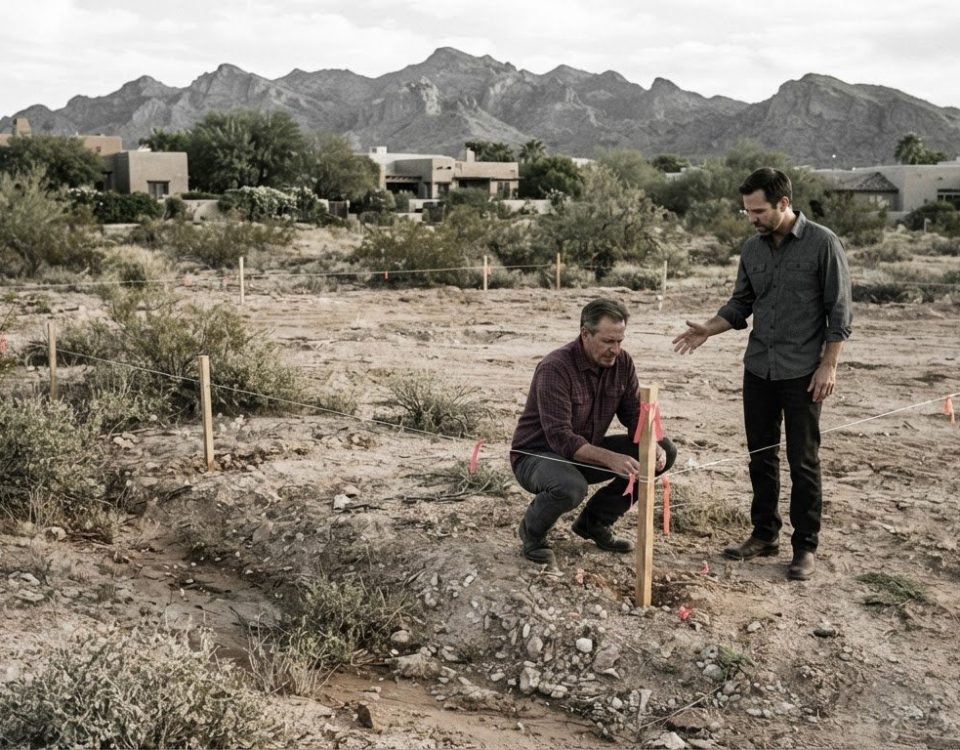
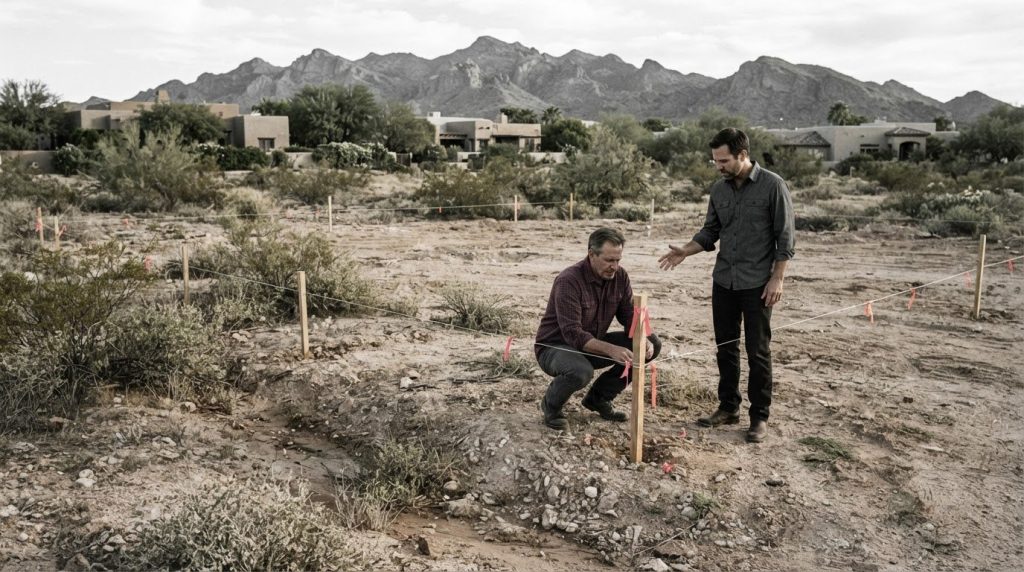
Land financing depends on the parcel and the next step planned for it. For a Flagstaff home build, connect the land, construction plan, and repayment strategy. Improved land may have features such as road access or utility connections in place. Unimproved land may need additional site work before construction can begin. These differences affect how a lender evaluates the property and project.
What types of construction loans are available in Flagstaff, including construction-to-permanent loans? Options can include construction-only financing, a construction-to-permanent loan, and loans for renovation or land. A construction-to-permanent structure combines building financing with a permanent mortgage. Construction-only financing covers the build, with permanent financing arranged separately. The right structure depends on whether you already own the land, plan to build immediately, or need to complete site work first.
For an improved lot, a project plan might show an accessible parcel with utility connections and a defined home design. For unimproved land, the plan may need to account for access, utility installation, grading, or other site preparation. These are practical project considerations, not a substitute for reviewing zoning or permitting for the parcel. The lender considers how the land and planned work support the requested financing and eventual property use.
Builders and investors may use construction loans for projects intended for sale, rental, or another investment purpose. The lender evaluates the project scope, building budget, collateral, and repayment plan. For example, a builder planning multiple homes should distinguish the costs and schedule for each phase. An investor developing a rental home should explain how the completed property fits the investment plan. Clear project details connect the loan amount to the work being financed.
An all-in-one construction and permanent loan can reduce the need to arrange separate construction and mortgage financing. Review when the loan converts, how permanent terms are established, and what monthly payments apply during each phase. A combined structure may fit a borrower planning to occupy the finished home, while a separate structure may suit a project with different timing or use. Match the financing period to the build plan.
Renovation financing differs from a loan for building on vacant land. A renovation project starts with an existing property and adds planned improvements. An owner-builder project also involves the borrower taking a direct role in construction. In either case, eligibility rests on the property, work scope, budget, and borrower’s plan. Describe the existing site, planned work, and how each phase moves the property toward its intended use.
For a Flagstaff project, identify whether the parcel is improved, what work remains, and whether construction is planned immediately or later. These details help define the financing request before selecting a loan structure.
Construction draws and lender inspections
Construction financing is released in stages, not as one lump sum. A clear draw plan connects approved funds to visible progress on your Flagstaff project.
Construction Draw Disbursements
Each draw is a portion of the approved loan amount made available as construction advances. The draw schedule should show which work phases unlock funds and how to request each disbursement. For example, a project budget can connect foundation work, framing, and interior completion to separate funding milestones. Review the loan documents to understand the process before work starts.
Keep the project budget, contractor invoices, and records of completed work organized by phase. These documents show how a requested draw fits the approved construction plan. Request steps depend on the loan terms, so clarify who submits documents and how disbursements are released. This preparation helps the builder plan cash flow without assuming the full loan commitment is immediately available.
Lender Inspections
Inspections connect a funding request with progress at the property. The lender’s inspector assesses the work before each construction draw is released. In the process described by the market information, the lender’s inspector, rather than Applewood Funding Inc, releases each construction draw. This distinction matters: an inspection documents progress, while the lender’s process governs disbursement.
Before a scheduled inspection, organize the draw request around completed work and the approved budget. If framing is under review, for example, clarify what work is complete and which costs the draw covers. An inspection may identify a difference between the planned phase and visible progress. Addressing that gap through the lender’s stated process keeps the next funding step clear.
Credit approval and a commitment to lend set the financing framework, but they don’t mean every dollar arrives at closing. Understand the draw conditions, inspection process, and documentation required for each request. These details affect how a builder coordinates labor, materials, and payment timing. For a dream home, the construction and funding schedules need to work together.
Flagstaff weather can affect draw planning. Winter pauses in exterior work may slow a project while interest continues accruing, so account for that possibility in the budget. Aligning work phases with expected seasonal conditions can help you anticipate timing changes. A realistic schedule gives the builder and lender a shared reference when progress shifts.
Before signing, map each approved construction phase to its draw conditions and inspection step. Confirm how to submit a request, what documents support it, and who authorizes release. Keep a record of each request and disbursement alongside the current budget. This helps track funds against completed work instead of relying on assumptions about when the next payment will arrive.
Direct private hard money lending in Flagstaff
Private hard money lending offers another financing route when a property project falls outside a conventional mortgage structure. The amount, collateral, purchase details, and repayment plan all matter. For a Flagstaff project, treat it as financing with defined terms, not automatic approval or a substitute for a long-term mortgage plan.
A private lender evaluates the property and the transaction behind it. For a home build, clarify whether the request involves land, construction, or both. For an existing property, the purchase price, current condition, and planned work help define the request. Present a clear project summary, requested amount, and intended use of funds to give the lending review a practical starting point.
Private financing can suit a project whose timeline, property condition, or borrower profile doesn’t fit a conventional process. A self-employed borrower, for example, may have income documentation that doesn’t show the full picture of available repayment resources. A real estate investor may need financing tied to a property purchase or improvement plan. In either case, explain how the project will reach its next financing or repayment milestone.
Hard money lending requires careful attention to collateral. The property secures the loan, so its value and condition are central to the decision. A vacant lot for a future Flagstaff build differs from a completed home or a property requiring renovation. Identify the parcel, planned construction, budget, and intended use, then match the requested loan amount to the project’s funding needs.
Before committing, read the loan documents for the interest structure, payment schedule, maturity, fees, draw conditions, and default terms. Confirm how the lender calculates the amount available and whether construction funds are released at once or in stages. A build with staged draws needs a cash-flow plan for costs that arise before a disbursement. Account for Flagstaff winter pauses in exterior work when planning the schedule and interest budget.
Private hard money isn’t the right fit for every borrower. If a project qualifies for conventional financing and prioritizes a long-term mortgage, compare those needs with the private loan’s repayment period and total obligations. Short-term financing needs a credible exit, such as a sale, refinance, or another documented repayment source. Don’t assume a future refinance will be available without considering the completed property and your finances.
Use a simple review sequence: define the property and project, calculate the amount needed by phase, identify repayment sources, then review every loan condition. If you’re weighing private financing for a Flagstaff purchase or build, share your project details to discuss financing options.
Applewood Funding Inc: Construction and Land Loans
Applewood Funding Inc offers Construction and Land Loans for borrowers financing a home build or land project in Arizona. Consider this option for building, developing land, or coordinating financing with the property’s intended use. A clear overview of the parcel, construction plan, budget, and repayment approach helps focus the financing discussion.
For other property goals, Owner Occupied Hard Money Loans, Fix and Flip Loans, and Rental Property Loans serve different borrower and investment needs. Match the loan purpose to the property and planned work to keep the financing conversation focused on your project.
Have a Flagstaff construction or land project in mind? Contact Applewood Funding Inc to discuss your financing needs.
Turn Your Build Plan Into a Financing Conversation
Bring the financing decision back to the project itself. Write down what you’re building, how the property will be used, and what needs to happen before work begins. This brief helps you explain your priorities and focus the conversation on a financing structure that fits your plans.
As you compare Flagstaff construction lenders, keep the bigger picture in view. A loan is one part of the build, alongside the land, construction schedule, and repayment plan. Start with a clear discussion about how those pieces fit together, rather than rushing a decision based on a single loan feature.
Applewood Funding Inc can discuss construction and land financing in the context of your project. Bring your questions and outline, then explore the next step that makes sense for your plans. Contact Applewood Funding Inc about your build and move forward with greater clarity.
Frequently Asked Questions
Which lenders offer construction loans in Flagstaff, Arizona?
Flagstaff construction lenders can include banks, credit unions, mortgage brokers, and private lenders. Applewood Funding Inc offers Construction and Land Loans for borrowers pursuing building or land-development financing in Arizona. Compare the financing structure, collateral review, and application path with your project, rather than choosing by institution type alone. Financing a vacant parcel and new build calls for a different project outline than renovating a home you already own.
What down payment and credit score do Flagstaff construction lenders require?
A common benchmark is a 680 minimum credit score, and construction loans often require a 20-25% down payment based on total project cost. Some programs may offer lower down-payment options, and lender standards vary by loan type. Treat these as planning references, not a combined pass-or-fail formula: lenders also review debt, income, available contribution, and the project. Estimate your contribution against the full project budget, not the land price alone.
What construction loan amounts and loan-to-value limits do local lenders offer?
The loan amount depends on the project budget, collateral value, and intended use. Loan-to-value compares the requested financing with collateral value. For illustration, at a 50% loan-to-value ratio, the loan amount is half the collateral value. A Flagstaff lot with a planned build may be assessed differently from a completed residence because land condition and planned work affect the collateral review. Define the full project scope before estimating financing needs.
What documents and plans are required to apply for a construction loan in Flagstaff?
Prepare construction plans and specifications, an itemized budget, a builder proposal, land purchase or ownership records, property details, and borrower income and asset documents. Include parcel information about access, utilities, zoning, and permits so the application reflects the Flagstaff site. Keep documents consistent: if plans change after the budget is prepared, update both before underwriting. A complete file helps reviewers assess the project scope and funding needs.
How does the construction loan application and draw process work in Arizona?
In Arizona, the process starts with an application and project documents. Underwriting reviews the borrower’s finances, collateral, plans, and requested amount. Closing establishes the loan terms and conditions. During construction, request draws tied to project progress, with a lender inspection reviewing completed work before funds are released. Keep invoices and current project records aligned with each request. Flag schedule changes early, especially if Flagstaff winter weather delays exterior work.