

How to scale a Mesa flipping business with private money
November 17, 2026Financing Tempe Properties with Zoning Issues for ASU Rentals
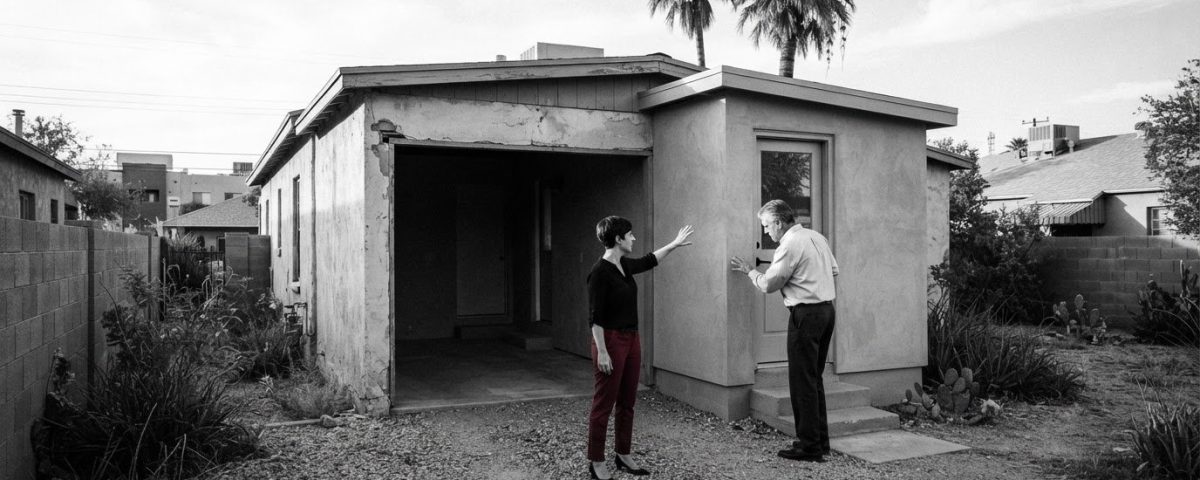
A zoning issue does not automatically end a Downtown Tempe rental deal, but it can affect how a lender evaluates the property and plans for closing. Financing for a property with zoning issues in Tempe depends on its approved use, condition, value, rental plan, and any work needed to resolve unapproved construction or meet requirements. If infrastructure lacks municipal approval, a land loan may be delayed while permits and zoning requirements are addressed.
You’re right to look beyond the purchase price. ASU’s Tempe campus has roughly 65,000 students, but rental demand alone doesn’t settle whether a property works as an investment or fits a lender’s requirements.
This article explains how lenders assess Downtown Tempe condos, townhomes, and other rental projects, what zoning and permitting diligence can uncover, and how those findings may affect financing and closing plans. You’ll see which documents and project details help lenders assess value, income potential, and capital needs, so you can understand the risks before moving forward.
Key Takeaways
- Separate legally nonconforming construction from work completed without approval; the distinction can affect the financing path and closing plan.
- See how lenders weigh property value, projected rental income, repair needs, and funds required to resolve project issues.
- Understand why condos and townhomes bring added review of association finances, owner occupancy, and mixed-use features.
- Learn which property and project details help shape a commercial financing package, from ownership and loan purpose to proceeds and timing.
- Match the investment’s stage to a financing approach, whether it involves a rental, a renovation, or construction and land.
Can I buy a Downtown Tempe property as an ASU rental investment?
Yes, you can pursue a Downtown Tempe property as an ASU rental, but zoning and approval issues can affect financing and closing. ASU’s Tempe campus has roughly 65,000 students, supporting rental demand without guaranteeing a property’s income or loan eligibility. Lenders assess the property, its intended use, its condition, and the borrower’s plan. Financing for a property with zoning issues in Tempe may require resolving approval gaps before a lender can proceed.
First, distinguish legally nonconforming construction from work completed without municipal approval. A structure built under an earlier zoning code may remain legally nonconforming, while an unapproved addition or infrastructure can create a separate issue. Zoning or code concerns involving existing infrastructure can affect a lender’s review before closing a land loan. When construction lacks municipal approval, financing may be delayed while permits are obtained and zoning requirements are met.
Approved infrastructure that has not been built raises a separate underwriting question. An approved site plan or permit does not mean the improvements are complete. Lenders may consider what remains to be built, whether the approval covers the proposed work, and how completion affects the rental plan. For example, an unfinished, approved parking area could affect project costs, timing, and the property’s usable features. Keep approval documents and construction scope aligned with the proposed financing.
Third-party lender underwriting is not automatic. Lenders review the transaction, eligibility, property details, and borrower information before making a final approval decision. A clear closing plan can help reduce avoidable delays: identify open permits, explain the intended rental use, and organize the project documents. Responsive parties matter, too. A lender, title provider, municipality, and other transaction participants may each need information before the next step can move forward.
Bond transactions add another approval path. A bond-financed project can involve issuer review alongside lender underwriting and municipal approvals. Tempe’s Industrial Development Authority reports issuing over $600 million in qualified private activity bonds. That figure describes its bond activity, not a promise that a specific rental project qualifies. Project timing depends on required reviews, complete transaction information, and coordination among the parties. Build those steps into the closing plan rather than assuming bond approval and loan approval happen together.
Condo and townhome purchases also involve project-level review. Investors generally use conventional investment-property financing for student rentals; FHA and VA loans are reserved for primary residences. Condo lenders examine association budgets and reserves, owner occupancy, single-entity ownership, and commercial space in mixed-use buildings. A zoning concern affecting shared areas or permitted use can therefore matter beyond the individual unit. Assess the property and its association as connected parts of the investment.
Lender review of property value, cash flow, and capital needs
A lender’s review connects three parts of a Downtown Tempe rental: value, income, and required capital. The property’s current condition, proposed use, and work needed to support that use all matter. For example, an unpermitted addition may affect both appraised value and the funds needed before rental operations begin. A strong location near ASU cannot, by itself, resolve those underwriting questions.
Value assessment considers the property as it stands and the project’s supportable plan. In Maricopa County, the single-family median was near $476,000 as of mid-2026. That market figure is context, not an appraisal or a value assigned to a specific Tempe home. An appraiser’s analysis can reflect property condition, comparable sales, permitted use, and whether proposed improvements are complete and approved. A lender then considers that valuation alongside its own underwriting criteria.
Loan limits also shape the financing structure. That limit does not establish a property’s value or guarantee loan eligibility. The applicable limit can differ for two-, three-, and four-unit properties. Lenders also assess the borrower and transaction, so investors should distinguish the county limit from the amount a particular property can support.
Rental cash flow tells a different part of the story. Lenders assess whether expected income fits the proposed housing use and supports the investment plan. They may review leases, projected rents, vacancy assumptions, operating expenses, and improvements that affect rentable space. A unit awaiting municipal approval is not the same as a completed, lawful rental unit in an income forecast. Tie projected income to the property’s actual condition and approval status.
Capital needs include more than visible repairs. A lender may account for construction, permit-related work, code corrections, and improvements needed to make the proposed use workable. An investor planning a new unit, for example, needs a budget and schedule that connect the work to anticipated rental income. An unclear project scope can complicate the loan amount, timeline, and valuation assumptions. Separate completed work from planned work in the financing materials.
Present the transaction as a connected plan: ownership, loan purpose, requested proceeds, sources and uses, closing timing, and business plan. For a Tempe rental, show how the proposed improvements affect housing capacity and income. Pair each major capital item with its status and its role in the plan. To discuss projected rents and funding needs, start a rental property financing conversation.
Potentially eligible property and project types
Property type and zoning district help determine whether a proposed project fits Tempe’s land-use framework. Multifamily, commercial, and industrial sites may fit the City of Tempe’s proposed voluntary affordable housing program. Single-family-zoned sites are excluded from that proposal. These categories describe potential program eligibility, not automatic loan approval. Lenders still assess the property, borrower, project plan, and financing request against their underwriting requirements.
The proposed program would let eligible developers choose affordability levels at 80%, 65%, or 50% of Area Median Income. A participating property would carry a deed restriction guaranteeing designated units remain affordable for 30 years. That commitment can affect the project’s operating plan and expected rental income. It matters to financing because the proposed rents, restricted units, and project costs need to fit together in a workable plan.
Density is another key factor. Under the proposal, Tempe would use each property’s Projected Residential Density in the voter-approved Tempe Tomorrow – General Plan 2050 to determine and limit its residential density bonus. A commercial or industrial parcel therefore does not become a housing project simply because residential use appears in an investment plan. The property’s district, applicable entitlements, and proposed development must align.
Arizona Revised Statutes Section 9-461.16 restricts cities from requiring, conditioning, or imposing affordable housing on private development, while allowing voluntary incentive programs. For owners considering the City of Tempe proposal, that distinction separates an optional incentive from a general development requirement. The project’s zoning and application details still matter. A financing plan should reflect the actual land-use path rather than assume participation or a density bonus.
Tempe’s Middle Housing Overlay creates a separate possibility for some residential projects. Effective January 1, 2026, it allows duplexes, triplexes, fourplexes, and townhouses on single-family lots within one mile of downtown, as well as residential lots larger than ten acres. A parcel near Downtown Tempe might therefore support a different project form than conventional single-family zoning suggests. The overlay does not itself confirm that a particular lot qualifies.
For underwriting, distinguish the property’s current approved use from the proposed project. A townhome conversion, multifamily redevelopment, or mixed-use plan may each require a different review of land use, construction, and income assumptions. Clear application materials help lenders understand which approvals support the project and which remain part of the development plan. That clarity also helps show whether the financing request matches the property type and intended use.
Zoning, entitlement, and permitting diligence
For an Arizona rental purchase, due diligence connects the property’s designated use with existing improvements and proposed work. Zoning establishes the permitted land-use framework, while entitlements and permits address specific development plans. A financing review may therefore consider zoning, entitlement, permitting, environmental, survey, title, insurance, and property-condition matters. Each can affect project scope, timing, or the ability to support the planned rental use.
Compare the parcel’s zoning district with the intended use and existing structures. A residential building used as a rental still needs a use and improvement history that fits its approvals. For example, an owner may plan to rent an added bedroom, but the room’s construction and approval status can affect how it is treated in the project plan. Distinguish legally nonconforming structures from work built without municipal approval.
Tempe’s permit rules can make the physical details important. Attached or freestanding decks and patio covers over 200 square feet require a permit. A deck elevated more than 30 inches above grade also requires one. Detached accessory structures larger than 200 square feet require a permit. These thresholds make an unrecorded patio cover or detached structure relevant to a lender’s review, even when the primary residence appears unchanged.
Plans need enough detail to connect the site to the proposed work. Tempe residential site plans are typically drawn at a scale of 1 inch to 20 feet or similar. That scale helps show building placement and site features against property boundaries. A survey, site plan, and permit documents can clarify whether existing improvements match the submitted project. For lenders, mismatches can create questions about the work required and its effect on the investment.
Code timing also matters for construction plans. Tempe adopted photovoltaic solar code updates on December 11, 2025, effective January 10, 2026. The city adopted Transportation Overlay District amendments on June 25, 2026, and Sign Code Amendments on June 4, 2026. These dates show why diligence should match the subject property and proposed work to applicable current requirements, rather than rely only on older plans.
Property-specific risks extend beyond zoning. Owners can determine flood-zone status through the FEMA Flood Map Service Center. Arizona state law, A.R.S. Title 36, mandates specific pool barrier requirements to prevent child drowning. A pool, accessory structure, or site alteration can therefore raise distinct diligence questions. For residents and investors, the key is understanding how each condition affects lawful use, construction scope, and financing materials before closing.
Financing considerations by property type
A Downtown Tempe condo and a small multifamily building can raise different underwriting questions, even with similar rental plans. Lenders match the loan structure to ownership, property condition, unit count, and intended use. Zoning concerns add another layer: projected income carries less weight if the property’s approved use or improvements do not support the rental plan.
For condos, association finances and building composition can influence the financing review. Lenders examine budgets and reserves, owner occupancy, single-entity ownership, and commercial space in mixed-use buildings. These factors help show whether the association can maintain shared areas and how residential units fit into the project. A zoning or approval issue affecting common space can also matter to a unit-level loan.
Townhomes can resemble single-family homes in layout, but legal ownership and project approvals still shape underwriting. The lender considers the property’s recorded form, permitted use, and rental plan. If the investment is part of a larger association, shared maintenance obligations and project documents add context. Downtown Tempe investment-property loans often require a down payment of 15 to 25 percent, depending on the property and borrower profile.
For duplexes, triplexes, and four-unit properties, unit count changes the loan-limit framework. Conforming loan limits are higher for two-, three-, and four-unit properties than for one-unit properties. Lenders also assess whether each unit’s use and condition support the income plan. An unapproved conversion, such as a garage described as a separate rental unit, can create a mismatch between the claimed unit count and the property’s documented status.
Mixed-use buildings call for a combined view of residential and commercial components. Lenders consider how spaces are used, whether that use aligns with zoning, and how each component affects the property’s income and condition. A ground-floor commercial space beneath student apartments, for example, involves different occupancy and operating assumptions than a residential-only building. Present the residential and commercial plans separately to make the project easier to assess.
Single-family rentals and properties requiring substantial work also need distinct financing plans. For a rent-ready home, the focus is on current condition and projected rental income. A property requiring construction or land development needs a clear scope, budget, approvals, and completion plan. Separate planned work from completed improvements, and connect each expense to the property’s intended use.
Before choosing a financing path, organize the property type, ownership structure, unit count, rental plan, and approval status in one transaction summary. That gives lenders a clear basis for reviewing the request. Discuss financing for your Tempe rental property.
Applewood Funding Inc: Rental Property Loans
Applewood Funding Inc offers Rental Property Loans for investors financing a rental purchase. For a Tempe property with zoning or approval issues, connect the financing request to its intended use, current condition, projected rental plan, and planned work. Clear project details help frame the lender’s review.
For a property requiring renovation, Fix and Flip Loans may fit the project stage. Construction and Land Loans address development plans, while Owner Occupied Hard Money Loans serve owner-occupied purchases. The right fit depends on the property and financing purpose, not simply its location near ASU.
Bring the property details and investment plan into the conversation. Contact Applewood Funding Inc to discuss financing for your rental project.
Move Your Tempe Investment Forward
Turn the investment idea into a clear financing decision. Define what success looks like for the property, how its use fits your plans, and which project milestones affect timing. A focused plan gives each financing conversation a practical starting point and keeps decisions tied to the property rather than assumptions.
Financing for a property with zoning issues in Tempe calls for a realistic view of both opportunity and execution. Ground the investment case in what the property can support, and allow flexibility in your plans for decisions that depend on approvals or project progress. That preparation puts you in a stronger position to assess the path ahead.
Take the next step when you’re ready to discuss your financing needs. Contact Applewood Funding Inc to start the conversation and move your Tempe investment forward.
Frequently Asked Questions
Can you get a mortgage for a property with zoning violations in Tempe?
Yes, financing may be possible, but the type and status of the zoning issue can affect underwriting. A structure legally approved under an earlier zoning code differs from work completed without municipal approval. For example, an unpermitted addition may require permits or corrective work before a lender can proceed. The intended rental use, property condition, and plan for resolving the issue all matter in a Tempe investment transaction.
What lenders offer financing for nonconforming or zoning-issue properties in Arizona?
Private hard money lenders and some portfolio or commercial lenders may review properties with zoning concerns, but each has its own underwriting and eligibility requirements. Applewood Funding Inc is a private hard money lender offering Rental Property Loans and Construction and Land Loans. These offerings can support rental purchases or development plans in Tempe, subject to property review, underwriting, and final approval.
Can commercial, hard-money, or portfolio loans finance Tempe properties with zoning problems?
They may, if the property, borrower, and project meet the lender’s requirements. Hard money financing can be relevant to an investment property or a project requiring construction, while commercial or portfolio financing may be considered for other property structures. A lender evaluates the issue’s effect on use, value, income, and project completion. No loan type automatically resolves an unapproved improvement or guarantees closing.
What due diligence and documents may a lender require before financing a Tempe property with zoning issues?
A lender may review zoning and entitlement records, permit history, approved plans, surveys, title, insurance, environmental matters, and property condition. The financing package should also explain ownership, loan purpose, requested proceeds, sources and uses, closing timing, and the business plan. For example, a plan showing a proposed unit should distinguish existing approved space from construction that still needs approval or completion.
What are the risks of buying a Tempe property with unresolved zoning violations?
Unresolved issues can delay financing or closing, require permits or corrective work, and change the project’s capital needs. They may also affect whether planned space can be used as rental housing, making income projections less dependable. For example, an unapproved conversion could leave fewer rentable units than the investment plan assumes. A careful review helps identify how the issue affects use, work, timing, and lender approval.