

Emergency Cash-Out Refinance in Scottsdale: How to Access Equity
October 30, 2026
Peoria AZ hard money lenders and local loan options
November 1, 2026Hard Money Lenders in Tucson, Arizona: Loan Uses and Options
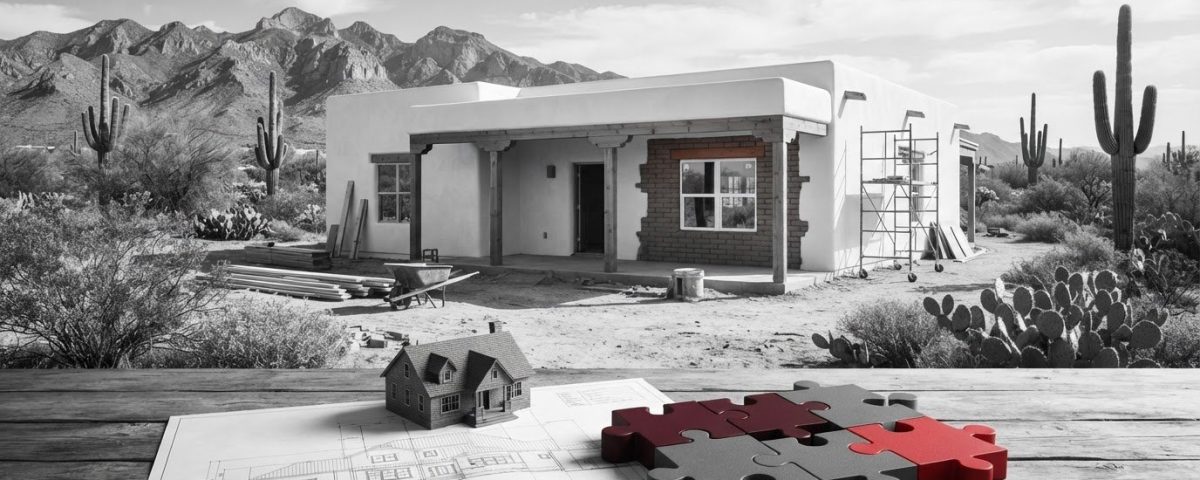
A bank denial doesn’t automatically end a Tucson property deal. Hard money lenders in Tucson, Arizona, offer private financing assessed around the property’s value and the borrower’s ability or willingness to repay. These loans can suit investors pursuing a time-sensitive purchase or renovation, but their costs and repayment terms deserve close attention.
It’s reasonable to compare hard money with bank financing before choosing a path. The right fit depends on the project, the property, and how you plan to repay the loan, not just how quickly you need capital.
This guide explains how private hard-money loans can fit Tucson real estate plans and how Applewood Funding’s Arizona loan options compare with a conventional financing approach. You’ll find practical points to consider for fix-and-flip projects, rentals, construction, and land. Applewood Funding offers Quick Application – Quick Closing and You Will Get the Lowest Rates GUARANTEED. Review the loan features and match them to your property and repayment plan.
Key Takeaways
- Understand how private property-focused lending works and what repayment capacity means for a loan decision.
- Compare hard money and bank financing by looking at qualification, underwriting focus, costs, and repayment structure.
- Match financing to the project, whether you’re renovating a property to resell, building a rental portfolio, or developing land.
- See how Tucson and Arizona lending options differ, and what to consider when assessing a lender’s fit for your investment.
- Explore when owner-occupied, fix-and-flip, rental, construction, or land financing may fit your property plans.
What are Hard Money Loans?
A hard money loan is private funding for real estate, assessed mainly against the property and the borrower’s repayment plan. For Tucson investors, the property, project budget, and exit strategy shape the deal.
Loan-to-Value Limits and Rates
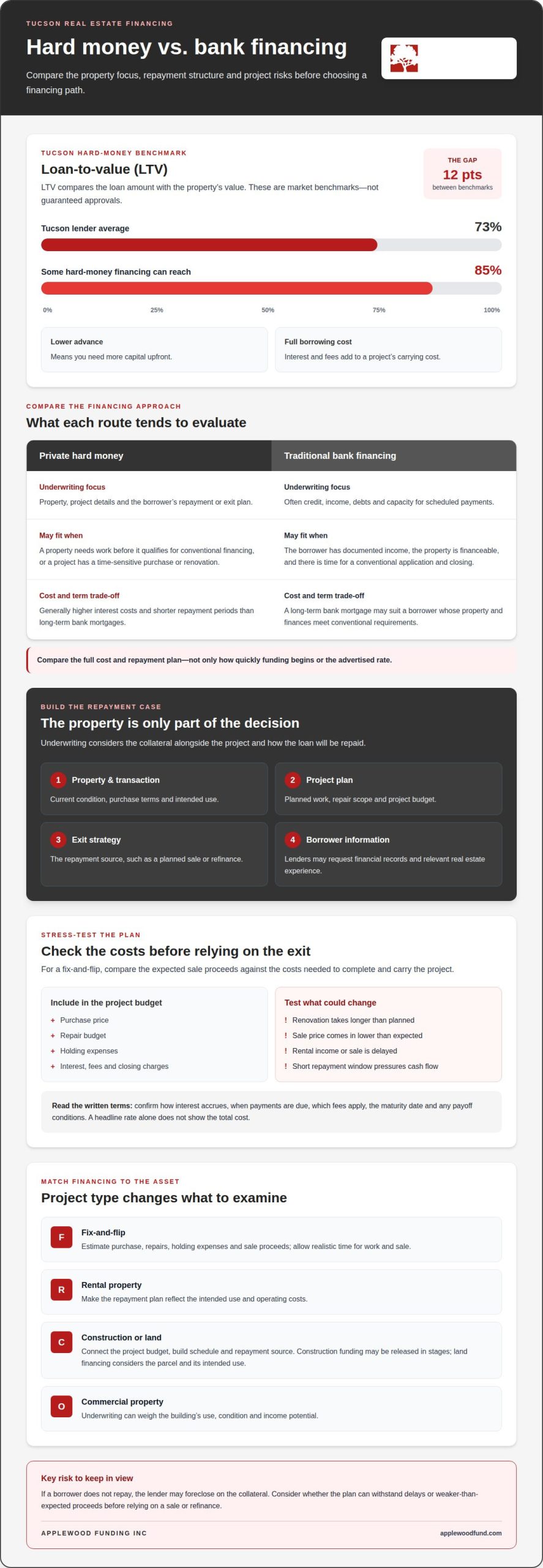
Loan-to-value, or LTV, compares the loan amount with the property’s value. Tucson lenders average a 73% LTV, while some hard money financing can reach 85% LTV. These figures are market benchmarks, not automatic approvals. A lower advance means you need more capital upfront, while interest and fees affect the project’s carrying cost. Compare the complete repayment obligation, not just the advertised rate.
Collateral and Underwriting
Collateral is the real estate securing a loan, and underwriting considers the property alongside the repayment plan. The property’s current condition, purchase terms, planned work, and exit strategy all help define the transaction. Before proceeding, estimate project costs and consider how delays or a lower-than-expected sale price could affect repayment. If a borrower does not repay, the lender may foreclose on the collateral.
Programs can support residential acquisitions, renovations, construction, land, or rental investments. Tucson had 520,116 people in the 2010 census, according to the U.S. Census Bureau. That historical population figure identifies the local market, but it doesn’t establish a property’s value or future demand. Investors still need to assess the specific neighborhood, building, and intended use.
What documents are needed to apply for a hard money loan in Tucson? Prepare the purchase contract, property details, repair scope and budget, and a clear repayment or exit plan. Lenders may also request financial records and information about relevant real estate experience to evaluate the transaction.
For a fix-and-flip, estimate the purchase price, repair budget, holding expenses, and expected sale proceeds. Subtract the costs from the projected sale price to see whether the plan leaves room to repay the loan. Include realistic time for the work and sale, since a longer project can change the overall numbers. Applewood Funding offers Fix & Flip Loans, with No Up-Front Fees – No Cost to Apply and You Will Get the Lowest Rates GUARANTEED.
Rates and fees vary with the property, loan structure, leverage, and repayment plan. Ask for the full written terms, including how interest accrues, when payments are due, and which document or closing charges apply. A loan’s headline rate alone cannot show its total cost. Build those costs into the project budget before relying on a resale or refinance to repay the balance.
How hard money loans differ from traditional bank loans
Traditional banks often evaluate credit, income, debts, and scheduled-payment capacity. Applewood Funding is a private hard-money lender offering No Credit Required financing, including Owner Occupied Home Loans. Its Arizona options also include Fix & Flip Loans, Rental Property Loans, and Construction and Land Loans. Match the loan type to the property’s intended use and your repayment plan.
That focus can make private money relevant when a property needs work before it qualifies for conventional financing. But hard money loans generally carry higher interest costs and shorter repayment periods than long-term bank mortgages. A bank loan may better suit a borrower with documented income, a financeable property, and time for a conventional application and closing. Compare the full cost and repayment plan, not just the initial funding.
Construction and land deals require attention to the asset and the project plan. A construction loan may release money in stages as work progresses, while land financing considers the parcel and its intended use. Commercial property underwriting can weigh the building’s use, condition, and income potential. A Tucson investor planning new construction should connect the budget, build schedule, and repayment source. Phoenix investors face the same basic distinction between financing a completed building and financing a project still underway.
Rental properties call for a repayment plan that reflects the property’s intended use and operating costs. Applewood Funding offers Rental Property Loans in Arizona, including for investors in Tucson, Phoenix, and Scottsdale. Prepare the property information and explain how your plan supports repayment. Applewood Funding also offers Owner Occupied Home Loans, with Owner Occupied Home OK, No Credit Required, and No Up-Front Fees – No Cost to Apply.
Stated-income financing can help self-employed borrowers whose income is difficult to capture through standard pay records. “Stated income” describes how income information is presented; it doesn’t remove the need to assess repayment or property risk. A borrower should organize business records, asset details, and the property plan so the lender can understand the transaction. For either financing route, clear documentation can help explain how repayment will work.
What are the risks and alternatives to hard money loans for Tucson real estate investors? Higher interest, short repayment windows, and the risk of losing pledged property can pressure a project’s finances. Alternatives include a bank mortgage, available cash, private equity or development finance partners such as The Federal Group, or seller financing, each with its own qualification and repayment structure.
Before closing, compare the rate, fees, payment schedule, maturity date, and any payoff conditions in the written terms. Then test the plan against a delayed renovation, slower rental income, or a postponed sale. Investors evaluating a project can compare real estate financing options against their timeline and repayment strategy.
Fix-and-flip, rental, and commercial property financing
A Tucson investor’s financing needs change with the property’s purpose and the plan for repayment. A renovation resale, a long-term rental, and a commercial purchase each call for different project assumptions.
Fix-and-Flip and Renovation Financing
Fix-and-flip financing funds an investor’s purchase and renovation of a property intended for resale. It matters because the borrower must account for both the repair budget and the time needed to complete and sell the project. For example, a Tucson buyer evaluating a home with dated interiors should estimate repair costs, resale value, and holding expenses before deciding how much funding the deal can support.
Organize a renovation project around its main stages: acquisition, repairs, and resale. Describe the property’s current condition, planned work, expected costs, and repayment plan. For a Tucson project, include any permits, contractor work, or materials that could affect the schedule. Applewood Funding offers Fix & Flip Loans in Arizona, with No Up-Front Fees – No Cost to Apply and You Will Get the Lowest Rates GUARANTEED.
Renovation scope affects the financing plan. Cosmetic work, such as replacing flooring or updating fixtures, has different project demands from structural repairs or major system replacements. A borrower should separate required work from optional upgrades and preserve room in the budget for unexpected conditions. For a Tucson property with an older roof, for instance, addressing that repair may matter more to marketability than adding premium finishes.
Rental and Commercial Property Financing
Rental financing supports the purchase or improvement of a property held to generate rental income, while commercial financing serves property used for business purposes. The distinction matters because the repayment plan depends on the asset’s intended use. A Tucson single-family rental, a multifamily building, and a retail space each need a clear operating plan and an explanation of how the property supports repayment.
For a rental, assess expected income against ongoing property expenses, vacancy periods, maintenance, and debt payments. A borrower planning to renovate before leasing should account for the period before tenants move in. Multifamily properties also require attention to unit condition and occupancy. These factors help show whether the investment can support its mortgage obligations after the improvement work ends.
Construction financing calls for a practical review of the property, intended use, project budget, and repayment plan. A Tucson borrower planning a build should organize the work schedule and explain how the finished property connects to repayment. Applewood Funding offers Construction and Land Loans in Arizona, with No Up-Front Fees – No Cost to Apply, No Credit Required, and You Will Get the Lowest Rates GUARANTEED.
Lenders serving Tucson real estate investors
When considering financing for a Tucson property, identify the loan type and the terms being offered. Applewood Funding is a private hard-money lender serving Arizona borrowers with Owner Occupied Home Loans, Fix & Flip Loans, Rental Property Loans, and Construction and Land Loans. The company states No Up-Front Fees – No Cost to Apply, No Credit Required, and Owner Occupied Home OK.
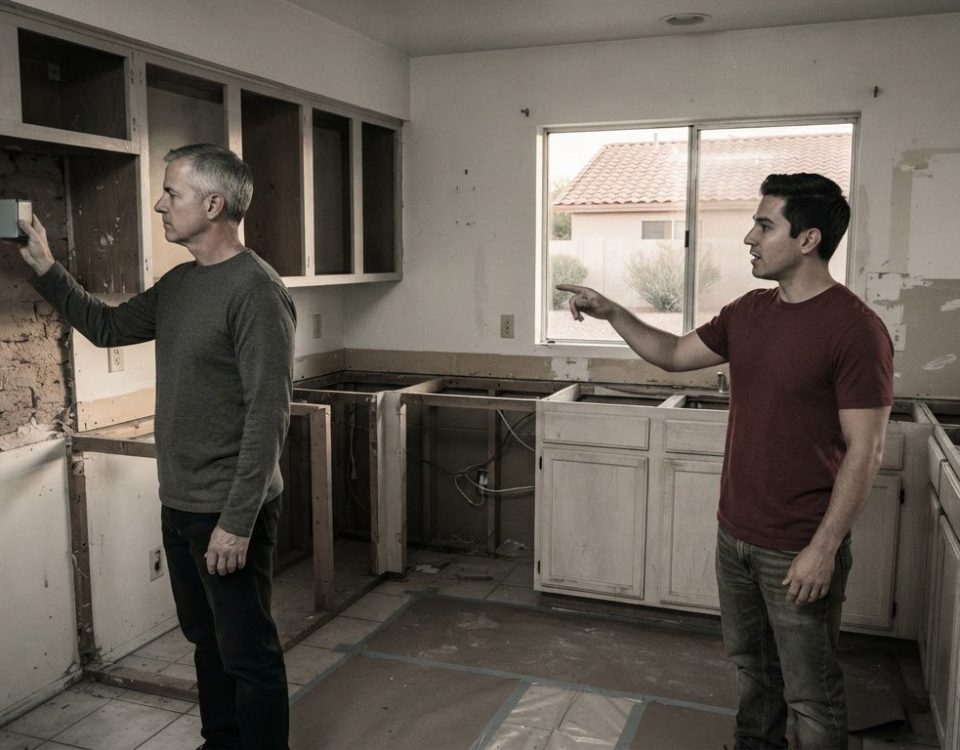
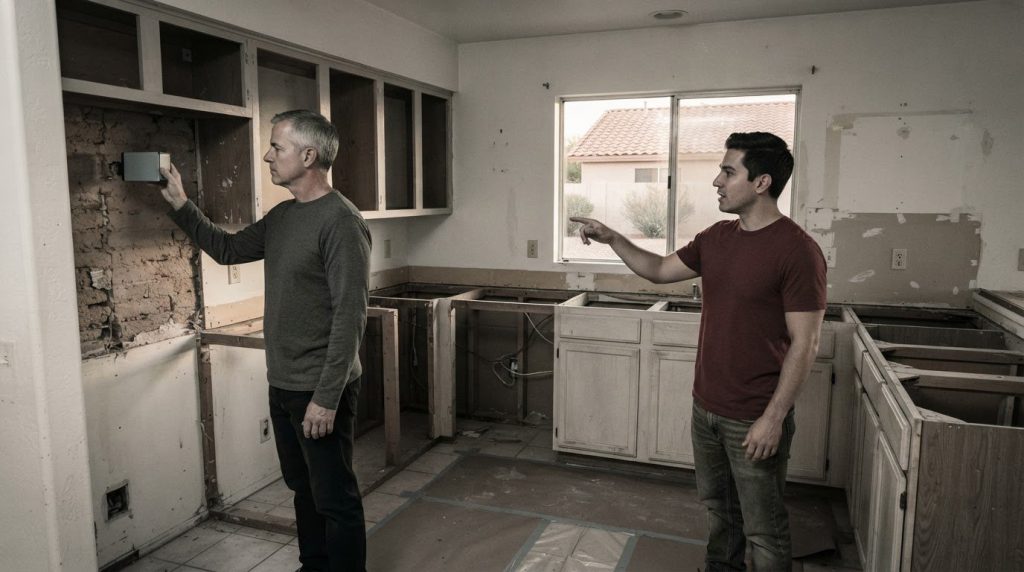
For a fix-and-flip in Tucson, the lender’s assessment typically centers on the property, renovation plan, and repayment strategy. Consider a dated single-family home that needs a kitchen update and roof repairs. The borrower’s project budget should separate essential repairs from optional improvements, then connect the planned resale to the payoff strategy. This gives underwriting a clearer view of the investment property and its proposed use.
A loan can bridge a purchase and a later repayment plan, such as a sale or refinance. Before applying for financing for a Tucson property, consider whether your plan still works if renovation, leasing, or refinancing takes longer than expected. Applewood Funding offers private hard-money options in Arizona, including Fix & Flip Loans and Rental Property Loans, with No Credit Required and No Up-Front Fees – No Cost to Apply.
For Tucson borrowers, match the lender’s loan options to the property and intended use. Applewood Funding serves Arizona, including Tucson, Phoenix, Scottsdale, Glendale, Peoria, Tempe, Mesa, Sedona, and Flagstaff. Its offerings include Owner Occupied Home Loans, Fix & Flip Loans, Rental Property Loans, and Construction and Land Loans. Owner Occupied Home OK, with No Credit Required and No Up-Front Fees – No Cost to Apply.
Compare the written loan structure, not a lender’s label. Review the repayment schedule, maturity date, interest calculation, collateral, and permitted use of funds. Then map each term to the project: a renovation loan must align with repair timing, while a rental loan should fit the property’s operating plan. Clear terms help investors understand what must happen before the balance comes due.
For Tucson real estate investors, the financing source should fit the transaction’s stage. A private money loan may suit an investment property that needs work before it can support long-term financing. A conventional mortgage may better fit a stabilized property and a borrower prepared for its documentation process. Compare those paths against the purchase timeline, available cash, project scope, and repayment source, rather than choosing based on speed alone.
Before moving toward closing, organize the purchase terms, property information, renovation or operating plan, and exit strategy. For a fix-and-flip, explain how planned repairs support resale; for a rental, show how operations connect to repayment. That preparation helps clarify the request and gives the lender a concrete transaction to assess. It also lets the investor spot gaps between the project timeline and loan maturity.
Arizona-based private and hard money lenders
Applewood Funding is a private hard-money lender serving Arizona borrowers, including in Tucson, Phoenix, and Scottsdale. Its loan options include Owner Occupied Home Loans, Fix & Flip Loans, Rental Property Loans, and Construction and Land Loans. The company states No Up-Front Fees – No Cost to Apply, No Credit Required, and Owner Occupied Home OK.
Statewide market figures provide context, not a quote for a particular loan. Arizona private money loans averaged a 10.41% interest rate in the third quarter of 2026, based on 166 short-term real estate loans. Arizona private money lenders averaged 3.4% in origination points in the first quarter of 2026. These figures come from different periods and describe market averages, not terms every borrower receives.
That difference matters when assessing a Tucson fix-and-flip. A borrower should compare the interest rate and origination points with the loan term, payment schedule, and planned resale or refinance. For example, if renovation work takes longer than expected, the project may carry financing costs for longer. A complete budget should account for the purchase, repairs, holding expenses, and sale-related costs before estimating the available profit.
Match the loan option to the property type, intended use, work required, and repayment plan. Applewood Funding offers Arizona financing for owner-occupied homes, fix-and-flip projects, rentals, construction, and land. Owner Occupied Home OK, No Credit Required, and No Up-Front Fees – No Cost to Apply. You Will Get the Lowest Rates GUARANTEED.
What Arizona laws and licensing rules apply to hard money lenders? Requirements depend on the transaction, including the property’s use and whether the party lends directly or arranges financing. For a Tucson borrower, those details can affect which rules apply, so assess the specific loan structure rather than assuming every private money loan follows an identical path.
Before moving forward, map the proposed terms against the project’s actual timeline. A fix-and-flip borrower can compare the expected renovation period with the loan maturity date. A rental investor can consider how the operating plan supports repayment. In either case, the written agreement should make the interest calculation, payment obligations, maturity, and collateral clear. Those details show how much pressure the loan places on the investment if the exit takes longer.
Arizona averages can help frame a financing conversation, but they cannot replace a property-specific review. Bring the purchase details, project scope, and repayment plan together to understand how the requested capital supports the investment. Discuss Arizona real estate financing options for a project shaped by those details.
Applewood Funding: Owner Occupied Hard Money Loans
Applewood Funding offers Owner Occupied Hard Money Loans for borrowers exploring financing secured by a home they occupy. This option may fit when a property-focused loan better matches the situation than a conventional mortgage. For investment projects, Applewood Funding also offers Fix and Flip Loans, Rental Property Loans, and Construction and Land Loans. The right loan type depends on whether you’ll live in the property, renovate it for resale, hold it as a rental, or build on the land. Share the property details and your financing goal to start a focused conversation. Visit applewoodfund.com to contact Applewood Funding.
Turn Your Property Plan into a Clear Financing Request
Before choosing among hard money lenders in Tucson, Arizona, define the property’s intended use, the work it needs, and how you plan to repay the financing. Applewood Funding is a private hard-money lender offering Arizona loans for owner-occupied homes, fix-and-flip projects, rentals, construction, and land. Owner Occupied Home OK, No Credit Required, and No Up-Front Fees – No Cost to Apply.
Next, identify the pressure points in your plan. Could a delayed renovation, slower leasing, or a postponed sale affect repayment? Decide what alternatives you could use if your preferred exit takes longer. A clear backup plan helps you understand the risks before committing and gives you a stronger basis for comparing proposed terms.
Bring those priorities to Applewood Funding and discuss how they relate to your property goals. Ask for a clear explanation of the proposed structure and how repayment fits your timeline. Contact Applewood Funding to discuss financing and take the next step with a plan built around your investment.
Frequently Asked Questions
How Do They Work?
A hard money loan uses real estate as collateral, with the property and repayment plan central to the transaction. For example, a Tucson borrower planning a renovation can explain the property details, planned work, and repayment source. Applewood Funding offers private hard-money loans in Arizona, including Owner Occupied Home Loans and Fix & Flip Loans, with Owner Occupied Home OK and No Credit Required.
Where Can You Apply?
You can apply directly through a private lender that serves Arizona or through a mortgage broker who connects borrowers with financing sources. For Applewood Funding, the application contact is: Just Text or Call 602-497-4444 to Get Started. Prepare the property address, purchase or ownership details, project purpose, and repayment plan so the financing request clearly describes the transaction.
Which hard money lenders operate in Tucson, Arizona?
Applewood Funding serves Arizona, including Tucson, Phoenix, Scottsdale, Glendale, Peoria, Tempe, Mesa, Sedona, and Flagstaff. It offers Owner Occupied Hard Money Loans, Fix and Flip Loans, and Rental Property Loans; Owner Occupied Home OK. Its terms state “No Up-Front Fees – No Cost to Apply,” “No Credit Required,” and “Quick Application – Quick Closing.” Terms range from 3 to 360 months. You Will Get the Lowest Rates GUARANTEED. Applewood Funding Inc Licensed AZ Mortgage Broker and Licensed Loan Originator NMLS‑175371 AZ MB‑0903207.
What are the current hard money loan rates and fees in Tucson?
Rates and fees can vary by loan and lender, so borrowers should confirm the terms for a specific offer. For context, Arizona private money loans averaged a 10.41% interest rate in the third quarter of 2026. Arizona private money lenders averaged 3.4% in origination points in the first quarter of 2026. These measures cover different loan groups and periods, so they are not interchangeable quotes.
What loan-to-value ratios and loan amounts do Tucson hard money lenders offer?
Tucson lenders averaged a 73% loan-to-value ratio, and hard money financing can reach up to 85% LTV. The average hard money loan amount in Tucson was $286,250. LTV compares the loan with the property’s value; the lender’s valuation and the requested amount affect the calculation. Investors should also plan how they will fund the portion not covered by the loan and the project’s other expenses.
What property types and investment projects do Tucson hard money lenders finance?
Hard money financing can support real estate investment projects such as fix-and-flips, where the borrower purchases, renovates, and resells a property. Other loan structures may address rental properties, commercial real estate, construction, or land. The intended use shapes the project plan and repayment source: a resale strategy differs from rental operations, while construction requires a plan for completing the build and repaying the financing.
What are the borrower and property eligibility requirements for hard money loans in Arizona?
Eligibility centers on the property securing the loan and the borrower’s ability or willingness to repay. Underwriting may weigh the asset’s value and condition, the project’s feasibility, the requested financing, and the planned repayment source. A clear property description and realistic project plan help explain the request. A borrower should be prepared to show how the proposed sale, rental income, or refinance connects to repayment.
How quickly can hard money lenders in Tucson approve and fund a loan?
Approval and funding follow the work needed to assess the property and complete the transaction. Property valuation, title work, document completeness, underwriting, and closing coordination all affect the timeline. A borrower can help keep the file moving by providing consistent purchase details, project information, and a clear repayment plan. Ask for the expected milestones in the proposed process and align them with the purchase or renovation schedule.